To ensure you receive the best service possible,
please enter your zip code below:





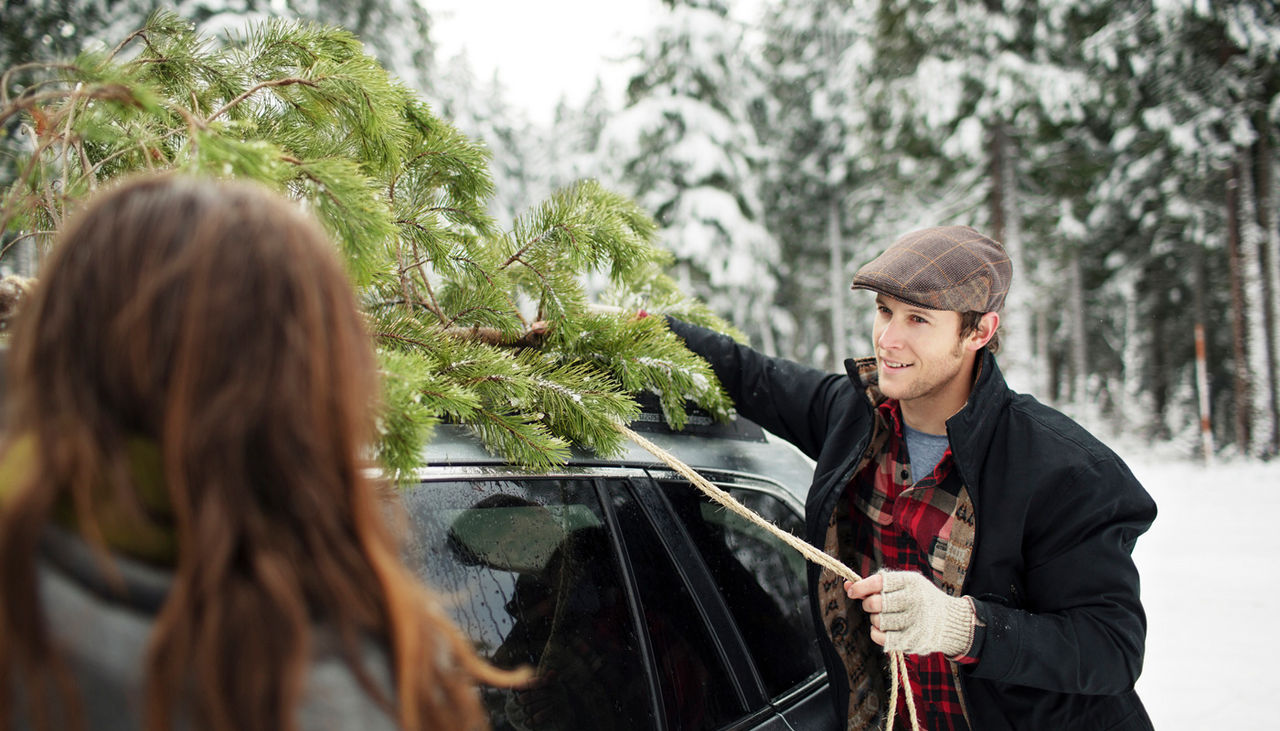
This article provides a step-by-step guide on how to safely transport a Christmas tree, from choosing the right size for your vehicle to securing it correctly for the drive home.
Bringing home a Christmas tree is a cherished tradition that kicks off the holiday season. The scent of fresh pine fills the air, and the perfect tree promises weeks of festive joy. But before you can decorate it, you must get it home safely.
Transporting your tree correctly, protecting your vehicle and ensuring the tree arrives in beautiful condition is a lot to consider and plan. This guide will walk you through everything you need to know for a smooth trip hauling your Christmas tree.
You might wonder if all this effort is necessary. While simply tying the tree to the roof might seem sufficient, improper transport can lead to several problems. A poorly secured tree can become a dangerous projectile on the road, posing a risk to you and other drivers. A 2019 survey by AAA found that about 44% of Americans who buy a real Christmas tree admit to not securing it properly for the drive home.
Taking a few extra minutes to secure your tree correctly provides peace of mind and protects your festive investment.
holiday road trips?
Don’t let colder weather or upcoming holiday road trips get your vehicle on the naughty list ❄️☃️✨🎁. Remember that AAA Members receive a free vehicle maintenance inspection upon request with any paid service at a nearby AAA-owned Car Care center or AAA Approved Auto Repair facility, a 36-month/36,000-mile guarantee on repairs at AAA-owned Car Care locations, and a 24-month/24,000-mile warranty at AAA Approved Auto Repair facilities. Members also receive a 10% discount on repair labor (save up to $75).

Before you head to the tree lot, think about how you’ll get your tree home. The right choice can make transportation safer and simplify setup once you arrive.
Measure your vehicle’s roof, cargo area or truck bed before you go. A tree that’s too tall or wide can be difficult and unsafe to secure.

The type of tree you choose can affect how you tie it down and how well it holds up on the drive home. Christmas tree varieties vary by region, and each offers its own handling and transportation considerations.
Looking for some holiday inspiration or unique gifts for family or friends? Check out one of these U.S. Christmas markets near you.
Soak Up the Magic
Before loading your freshly cut tree, take a few minutes to prepare your vehicle. Proper setup protects your car’s paint, trim and interior from damage.
Learn what you should keep in your winter car survival kit.
Be PreparedBy taking these steps before picking up your tree, you’ll make securing it faster, safer and cleaner ensuring the only thing you bring home is holiday cheer (not sap or scratches).

Wrapping your tree is the first step in safe transport. Most tree lots offer complimentary netting, which compresses the branches and makes the tree easier to handle. If netting isn’t available, use old blankets or tarps. Start at the base and roll the material upward, fastening it with twine.
Always put a protective barrier between the tree and your vehicle's roof. A heavy-duty blanket, tarp or roof protection mat will cushion your car from sharp branches and sticky sap. Place the tree with the trunk toward the front of the vehicle. This position exposes the stronger side of the tree to wind and reduces needle loss.
After unloading, inspect and clean the area thoroughly to remove any lingering sap or residue.

Proper loading is crucial for stability and safety.
Bikes, kayaks and furniture are often hauled by cars. Get our tips on how to safely secure and transport your cargo.
Read More
Legal requirements for hauling a Christmas tree may vary by state, so check local Department of Transportation rules. Many states limit rear overhang to 4 feet for standard vehicles. If your tree overhangs the rear bumper by more than the allowed amount, you are legally required to attach a red flag (at least 12 inches square) to the end of the load during the day, and a red light or reflectors at night.
When winter weather hits, adapt your plans. Drive slowly, avoid sudden stops and use secondary roads if possible. Carry extra tie-downs and ensure your wipers and defroster are working properly.
If your tree shifts or begins to block your visibility, pull over safely as soon as possible. Never try to fix an issue while driving. Reposition the tree, making sure it’s centered, and retighten all tie-downs. If you hear excessive wind noise, double-check all knots and reinforce them with extra rope.
For roadside emergencies, always activate your hazard lights and move to a safe area away from traffic.
By taking these simple precautions, you can ensure your Christmas tree arrives home safely and in perfect shape. A few minutes of preparation prevents potential damage to your vehicle and protects other drivers on the road. Now you can focus on the best part: decorating your tree and creating lasting holiday memories with your loved ones.
holiday road trips?
Don’t let colder weather or upcoming holiday road trips get your vehicle on the naughty list ❄️☃️✨🎁. Remember that AAA Members receive a free vehicle maintenance inspection upon request with any paid service at a nearby AAA-owned Car Care center or AAA Approved Auto Repair facility, a 36-month/36,000-mile guarantee on repairs at AAA-owned Car Care locations, and a 24-month/24,000-mile warranty at AAA Approved Auto Repair facilities. Members also receive a 10% discount on repair labor (save up to $75).
For maximum security, use ratchet straps or strong nylon rope. Lay the tree on your roof with the trunk facing forward. Loop the straps or rope over the tree and through your car's open doors (not the windows) at two points along the trunk. Tighten them securely so the tree doesn't shift. While bungee cords can help secure loose branches, they are not strong enough to be the main tie-down.
No, a roof rack is not strictly necessary, but it is recommended. If you don't have one, you can place the tree directly on the roof. However, always use a thick blanket or tarp underneath to protect your car's paint from scratches and sap. You can also use foam blocks to create a more stable base and add cushioning.
If your tree overhangs the rear of your vehicle, you must comply with state and local laws. Many states require you to attach a red flag (at least 12 inches square) to the end of the tree if it overhangs by more than 4 feet. At night, a red light is often required. Always check your local Department of Transportation rules before you drive.
Wrapping the tree is the best way to prevent needle loss. Most tree farms offer netting, which compresses the branches and protects them from the wind. If netting isn't available, you can wrap the tree in an old blanket or tarp. Also, placing the tree with the trunk facing the front of the car helps reduce wind resistance and keeps the needles intact.