To ensure you receive the best service possible,
please enter your zip code below:





This article provides everything you need to know for safe winter driving. From preparing your vehicle for the first frost to mastering the roads in icy conditions, you'll find practical advice to help you drive with confidence all season long.
be winter safe
Keeping your car in top shape, regardless of the weather, is crucial for reliable transportation and a safe driving experience, even in sleet, snow, or ice. Be sure to keep your vehicle maintained, and don’t forget that AAA can help you locate a nearby AAA-owned Car Care location or AAA Approved Auto Repair facility. Members receive a 10% discount on repair labor (save up to $75) and get a 36-month/36,000-mile warranty at AAA-owned Car Care locations or a 24-month/24,000-mile warranty at AAA Approved Auto Repair facilities on repairs.
When the temperature drops and the first snowflakes begin to fall, the roads transform into a completely different environment.
If you’ve ever felt your stomach drop after hitting a slick patch of road in the winter, you already know winter driving is a different beast altogether.
Everything from navigating icy patches and dealing with reduced visibility to simply starting your car in freezing temperatures can be intimidating. However, a little preparation goes a long way toward ensuring you can handle whatever the season throws at you.
Before the details of driving on slick roads, let's start with the crucial first step: preparing your vehicle. Our "winterize your ride" checklist covers the simple but vital tasks you should complete before the first major snowfall to ensure your car is as ready as you are.

Winter driving demands more than just skill; it requires a vehicle that is ready to handle the elements. Before you hit the road this season, taking the time to "winterize" your car can make the difference between a smooth commute and being stranded in the cold. A well-prepared vehicle not only performs better in harsh conditions but also keeps you safer.
Here are five essential steps to prepare your car for winter, inspired by our video overview, 'Prep Your Car for Winter.'

Snow, slush and salt can wreak havoc on your car's interior, including its carpets. Swap out your standard carpet mats for heavy-duty rubber or all-weather floor mats. These are designed with deep channels to trap water and debris, preventing moisture from seeping into your car's flooring and causing mold or rust issues.
Unexpected breakdowns happen, and they are far more dangerous in freezing temperatures. Keep a dedicated winter emergency kit in your trunk that includes:
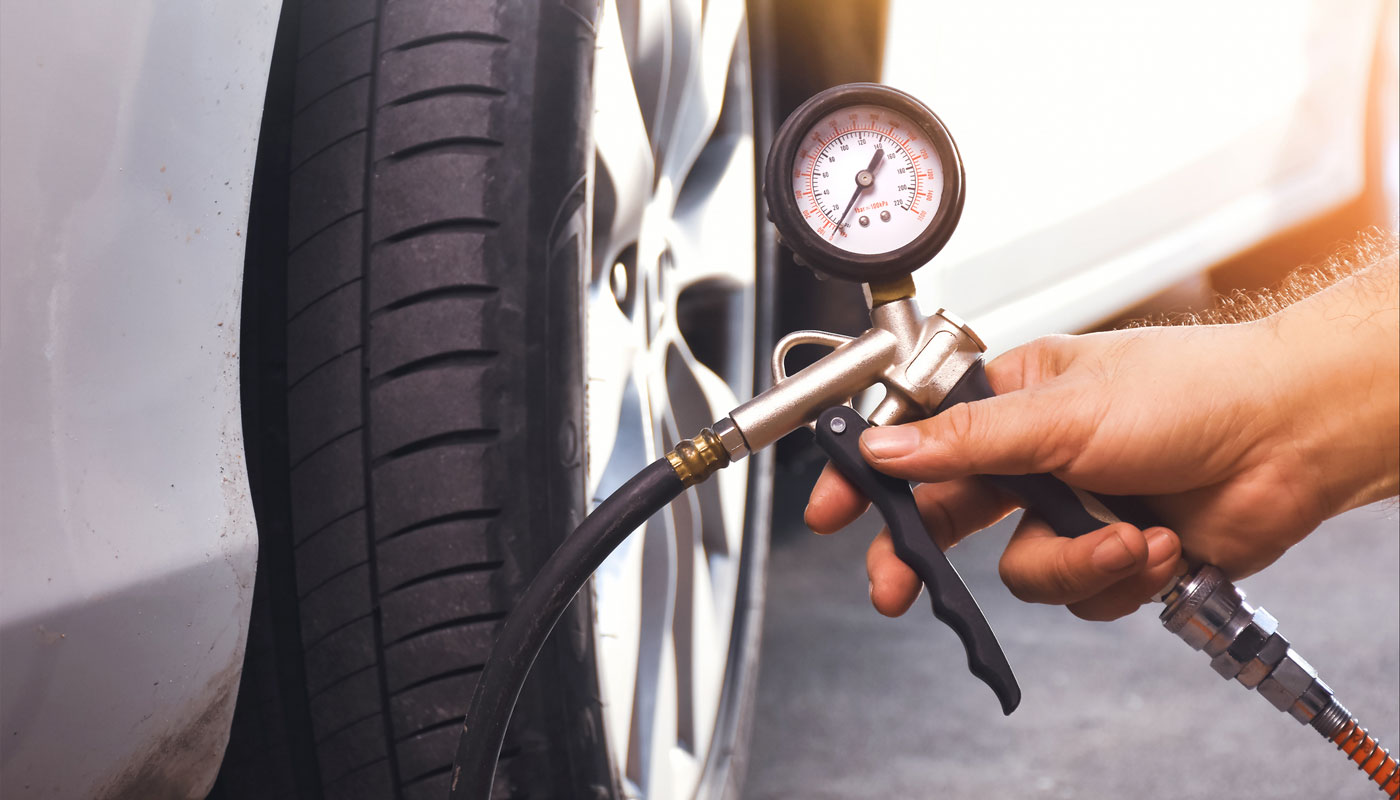
Cold air compresses, which means your tire pressure can drop significantly when the temperature plummets. For every 10-degree drop in temperature, tires can lose about 1 PSI.
Check your tire pressure regularly, ideally once a week, to ensure it is inflated to the manufacturer’s recommended level. You can find the right PSI for your vehicle either in the owner’s manual or on the door jamb. Proper inflation ensures better traction and handling on slippery roads.
Get more information on how temperature changes can affect your car’s tire pressure.
Learn MoreYour car's fluids are its lifeblood, especially in winter.
Be sure you understand the difference between antifreeze and coolant for your vehicle during the winter months.
Learn MoreTires are your only contact with the road. If your tread is worn down, your car will struggle to push snow and grip wet/icy surfaces, making it harder to steer and propel your vehicle. Use the "quarter test" to check your tread depth: insert a quarter into the tread groove with Washington's head upside down. If you can see all of Washington’s head, your tread is too low and it's time for new tires.
For those with electric vehicles, cold weather can slash EV range by up to 40% and slow charging. To conserve the battery:
By checking these items off your list, you ensure your vehicle is as prepared as possible for whatever winter throws your way.
Next, we'll explore some clever hacks to enhance your visibility during those dark, snowy drives.

When winter hits, visibility is often the first thing to go. Between frosted windshields and fogged-up windows, just seeing the road can become a challenge. Before you head out, you need clear sightlines, but you don't need to spend a fortune on fancy products or waste time on outdated advice.
Here are some smart hacks and truth-bombs to help you see clearly and avoid damaging your vehicle, featuring tips from our videos How To De-Ice Your Windshield and Winter Myths for Cars That Need to Die In 2025.

Scraping ice off your windshield in freezing temperatures is nobody's favorite morning activity. If you are out of commercial de-icer fluid, you can make a highly effective substitute right at home.
The de-icer fluid recipe:
Mix these ingredients in a spray bottle and shake well. Because alcohol has a much lower freezing point than water, this solution will not freeze in the bottle. Dilute properly for safe usage.
When you spray it onto your icy windshield, it breaks down the ice almost instantly, making it easy to wipe away with your wipers or a soft brush. It’s a simple, cost-effective trick that saves you time and keeps you from shivering while you scrape off your windshield.
Winter driving advice is often passed down through generations, but vehicle technology has undergone significant changes over the years.
What worked for your grandparents' carburetor engine might harm your modern vehicle. Let’s clear up three common misconceptions.

By using the right tools and ignoring outdated myths, you can protect your car and get on the road faster. Next, we will cover how to handle the vehicle on slippery roads.

Once your car is prepared and your visibility is clear, it is time to focus on your driving technique. Driving safely on snow and ice requires adjusting driving habits to account for reduced traction and unpredictable conditions. The key is to be smooth, deliberate and calm with every action, from accelerating to braking.
Safe winter driving starts with changing your mindset. Assume that traction is limited and give yourself more time and space for everything.
Black ice is one of winter's most dangerous hazards because it is nearly invisible. If you find yourself driving over a patch of it, your reaction is critical. As shown in our video, How to Brake on Black Ice, panic is your worst enemy.

Here are some tips for driving on black ice:
Tires can spin out if you accelerate too quickly, causing you to lose control. If this happens, it is important to know how to correct it without making the situation worse.
Our video, What To Do When Your Tires Are Spinning Out, offers a simple how-to.

With these techniques in mind, you will be better equipped to handle the challenges of winter roads. Next, we will cover what to do if you find yourself in one of winter's most common predicaments: getting stuck in the snow.
Even the most cautious drivers can find themselves stuck in a deep snowbank or a patch of slippery slush.
It’s a frustrating situation, but panic only makes it worse. With a cool head and the right techniques, you can often free your vehicle without needing a tow truck.
Here are steps on how to escape a snowbank safely and effectively, featuring tips from our video How to Get Out of a Snowbank.

If your wheels are spinning and you aren't moving, stop immediately. Continuing to hit the gas will only dig your tires deeper into the snow, turning a small problem into a big one. Instead, follow these steps:
Before you try to drive out, you need to make a path. Grab your shovel (from that emergency kit you packed!) and clear as much snow as possible from around your tires.
This technique uses momentum rather than raw power to get you unstuck.
If rocking doesn't work, your tires need more grip. You can place materials under your drive wheels (front wheels for front-wheel drive, rear for rear-wheel drive) to create traction.

Sometimes, Mother Nature wins. If you have tried digging, rocking and using traction aids without success, or if you are in an unsafe location (like a busy highway shoulder), it is time to stop.
Exerting yourself in the cold can be dangerous, and spinning your tires excessively can damage your vehicle.
If DIY methods fail, staying warm inside your vehicle and calling for professional assistance, such as AAA, is the smartest and safest move. AAA Roadside Assistance has the equipment and expertise to get you out safely without risking injury or damage to your car.
AAA’s service providers play a critical role in winter, rescuing stranded motorists from icy roads and ensuring safe transport during wintry conditions. Drivers can do their part to help keep all first responders safe by adhering to the Slow Down, Move Over law, which requires drivers to slow down and move over a lane when approaching tow trucks, law enforcement, or emergency vehicles. For more information visit: AAA.com/sdmo.
How To Request AAA Roadside Assistance? There are many ways, read our tips.
Learn More
Navigating winter roads with confidence comes down to two simple things: preparation and safe driving. By taking the time to winterize your vehicle, you create a solid foundation for safety.
Once you are on the road, remember that smooth and deliberate actions are your best defense against snow and ice. Avoiding sudden movements, such as slamming on the brakes or oversteering, should help you maintain control even when conditions are challenging.
The tips and techniques in this guide are designed to empower you, transforming uncertainty into readiness.
Stay safe, stay prepared, and drive with the confidence that you are ready for the season.
be winter safe
Keeping your car in top shape, regardless of the weather, is crucial for reliable transportation and a safe driving experience, even in sleet, snow, or ice. Be sure to keep your vehicle maintained, and don’t forget that AAA can help you locate a nearby AAA-owned Car Care location or AAA Approved Auto Repair facility. Members receive a 10% discount on repair labor (save up to $75) and get a 36-month/36,000-mile warranty at AAA-owned Car Care locations or a 24-month/24,000-mile warranty at AAA Approved Auto Repair facilities on repairs.