To ensure you receive the best service possible,
please enter your zip code below:





It’s hard to believe there was a time when safety belts didn’t come standard. Someday, the same will be said of collision-prevention technology as it becomes more widespread and laws increasingly mandate that manufacturers include it in new vehicles.
auto maintenance
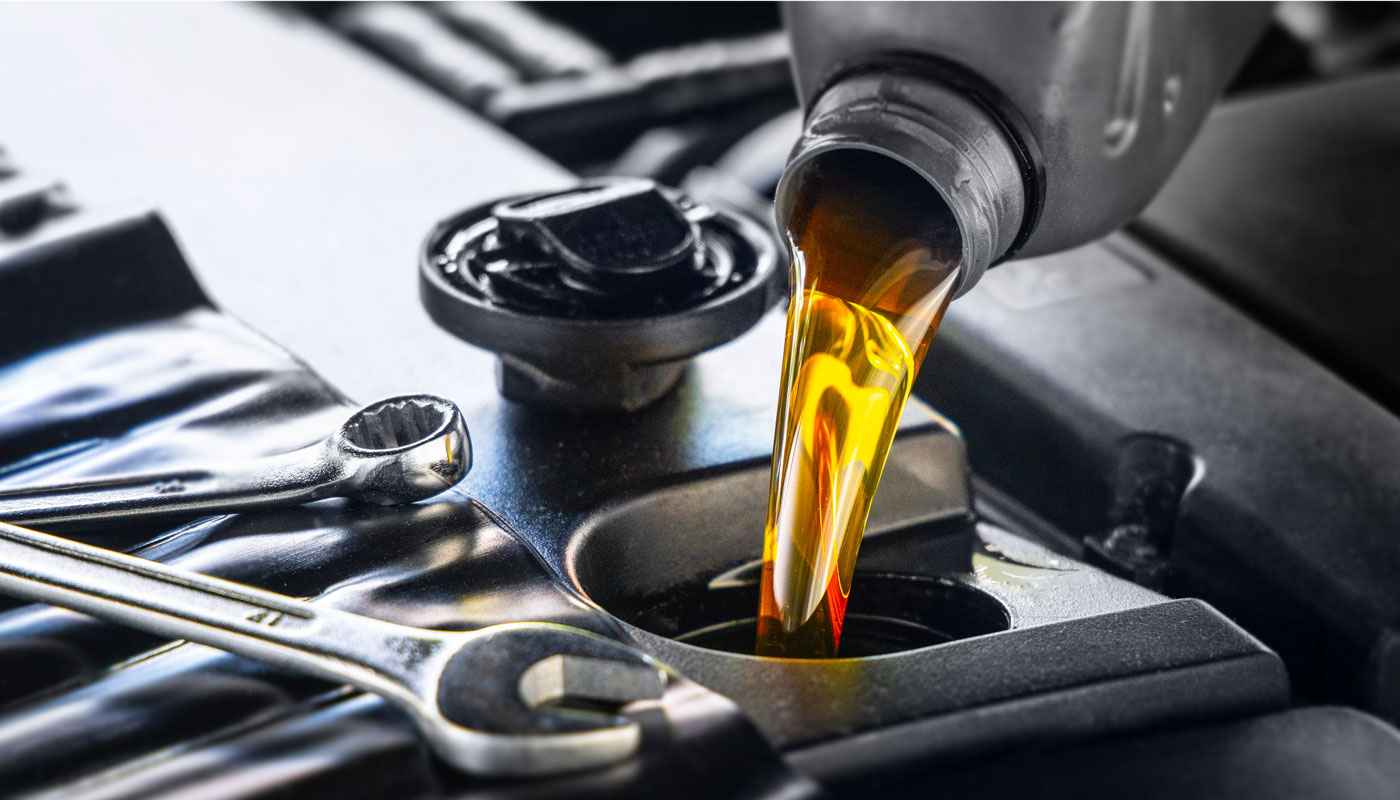
AAA can help you locate a nearby AAA-owned Car Care location or AAA Approved Auto Repair facility. Members receive a 10% discount on repair labor (save up to $75) and get a 36-month/36,000-mile warranty at AAA-owned Car Care locations or a 24-month/24,000-mile warranty at AAA Approved Auto Repair facilities on repairs.
These systems use a combination of sensors, cameras and smart software to monitor the road and respond to potential hazards. Understanding how these features work—and their limitations—can help you make informed decisions when buying your next car so you can get the most out of these life-saving innovations.
Modern advanced driver assistance systems rely on two main types of sensors:
Crash avoidance features can be grouped by their function, which is either warning the driver or actively intervening to prevent a collision. Here’s how the main systems work together:


Most modern vehicles integrate these features into a comprehensive safety suite. Sensors and cameras share information, so your car can warn you about hazards from any direction and, in some cases, take action to prevent a crash. While each system has its own specialty, together they provide comprehensive protection for you and your passengers.

Crash prevention technologies have been shown to improve overall safety for drivers, but ongoing success requires active driver participation; ultimately, it is the driver’s responsibility to remain vigilant and not become complacent. Driver error is still the primary factor in most vehicle crashes. The core limitations of these technologies are:
Driver complacency: A driver can become reliant on the systems, leading them to become less attentive and lose situational awareness while driving. This can lead to crashes.
System malfunctions: Like other technologies, crash avoidance systems can glitch or fail, leading to collisions or crashes. Dirty cameras or malfunctioning sensors can cause the system to fail to respond as intended. This, coupled with driver complacency, can increase the chances of a crash.
Performance gaps: Another limitation is that many of these systems are not as effective at detecting certain types of vehicles, such as motorcycles, golf carts or large trucks. This puts drivers who aren’t paying attention at risk.

Proper maintenance and calibration of ADAS sensors are crucial for maintaining ongoing accuracy and ensuring the ability to accurately detect obstacles. Many auto repair shops aren’t equipped to handle these complex technical systems, and if the calibration is done incorrectly, post-repair/maintenance problems have occurred.
AAA-owned Car Care Centers and AAA-Approved Auto Repair facilities provide vehicle maintenance inspections and have access to specialized tools and calibration technicians. AAA Members receive a 10% discount on repair labor (save up to $75) and get a 36-month/36,000-mile warranty at AAA-owned Car Care locations or a 24-month/24,000-mile warranty at AAA Approved Auto Repair facilities on repairs.
To keep sensors clean, especially in harsh weather conditions, be sure to wash the sensors regularly. Adding sensors to your vehicle wash routine is a good way to keep them clear of salt or dirt buildup. Focus on areas where grime can cling to the vehicle, such as the bumpers and side panels. Wipe down these areas after long drives, especially if it's snowing or raining.

The future of crash avoidance technology is continuing to evolve. The direction of technology will likely involve the addition of enhanced sensor capabilities and connected environments, facilitated using AI in cars and trucks. Here are a few new technologies being developed for future deployment in vehicles.
LiDAR and high-resolution cameras: liDAR, or Light Detection and Ranging, is the use of lasers to measure distances and to calculate precise locations of objects. This technology, combined with high-resolution cameras, will enhance accuracy in pinpointing the location of obstacles that may cause a collision or crash.
VSX communication: VSX, or Vehicle-to-Everything communication, enables vehicles to wirelessly exchange information with other vehicles, infrastructure, pedestrians and cloud-based systems. This technology offers an additional layer of safety by integrating the perspectives of vehicles and individuals on or near roadways, thereby enhancing safety data that may currently be overlooked.
As we look to the future, the evolution of crash avoidance technology promises to make our roads even safer. From LiDAR and high-resolution cameras to Vehicle-to-Everything (VSX) communication, the integration of AI and connected environments will redefine how we drive.
However, no matter how advanced these systems become, the ultimate responsibility lies with the driver. By staying informed, maintaining your vehicle’s sensors and remaining attentive behind the wheel, you can ensure that these life-saving innovations work to their fullest potential. Together, we can drive toward a safer tomorrow.
auto maintenance
AAA can help you locate a nearby AAA-owned Car Care location or AAA Approved Auto Repair facility. Members receive a 10% discount on repair labor (save up to $75) and get a 36-month/36,000-mile warranty at AAA-owned Car Care locations or a 24-month/24,000-mile warranty at AAA Approved Auto Repair facilities on repairs.
Crash avoidance technologies are advanced systems in modern vehicles that use sensors, cameras and software to detect potential hazards and either warn the driver or take action to prevent collisions. Examples include Forward Collision Warning (FCW), Automatic Emergency Braking (AEB) and Blind Spot Warning (BSW).
Car safety sensors, such as ultrasonic and radar sensors, detect obstacles around the vehicle. Ultrasonic sensors use sound waves for close-range detection, while radar sensors use electromagnetic fields to identify objects at higher speeds.
No, these systems have limitations. They may fail due to dirty sensors, system malfunctions or performance gaps in detecting certain objects like motorcycles or large trucks. Drivers must remain attentive and not rely solely on these technologies.
Regularly clean sensors, especially in harsh weather conditions, to remove dirt, salt or grime. Ensure proper calibration after repairs or maintenance, as incorrect calibration can affect system accuracy.
Future advancements include LiDAR (laser-based obstacle detection), high-resolution cameras and Vehicle-to-Everything (VSX) communication, which will enhance obstacle detection and enable vehicles to share safety data with other road users and infrastructure.