
To ensure you receive the best service possible,
please enter your zip code below:





weather preparedness
Your vehicle may be essential before, during or after a storm. Get the safety essentials to keep in your car so you’re ready for severe weather, power outages or evacuation.
June may be the official start of hurricane season, but there’s never a wrong time to begin emergency planning and preparation. Here are some of the first steps you’ll want to take when preparing for a hurricane or tropical storm.
Hurricane prep quick checklist:

When creating an emergency plan, be sure to include evacuation routes and meeting points, should you become separated or lose power. Determine how you’ll stay in touch and consider designating someone from out of state as your primary point of contact. After your evacuation and communication plans are in place, sign up for storm alerts.
The FEMA app allows you to receive real-time alerts from the National Weather Service and find emergency shelters in your area. Stay tuned to local news as well for updates on school closings, sandbag sites, road closures and emergency supply tips.
If you have a pet, be sure you have their microchip information, or consider having them microchipped, and know a safe place where you can take them if hotels or public shelters don’t allow pets.
Once news sources announce the projected path of a tropical storm or hurricane, stores within the cone (i.e., the probable track of the hurricane) are likely to become frenzied.
Stock up on non-perishable food, water and medications for people and pets in advance of storm announcements. Also, prepare a basic first aid kit that contains the following:
Lastly, gather essential items such as flashlights, batteries, and a battery-powered radio, and have cash on hand in case power outages affect ATMs and card readers.
If you have a pet, ensure that their essential supplies (i.e., leashes, carriers, pet pillows, and blankets) are stored conveniently near yours for easy access.

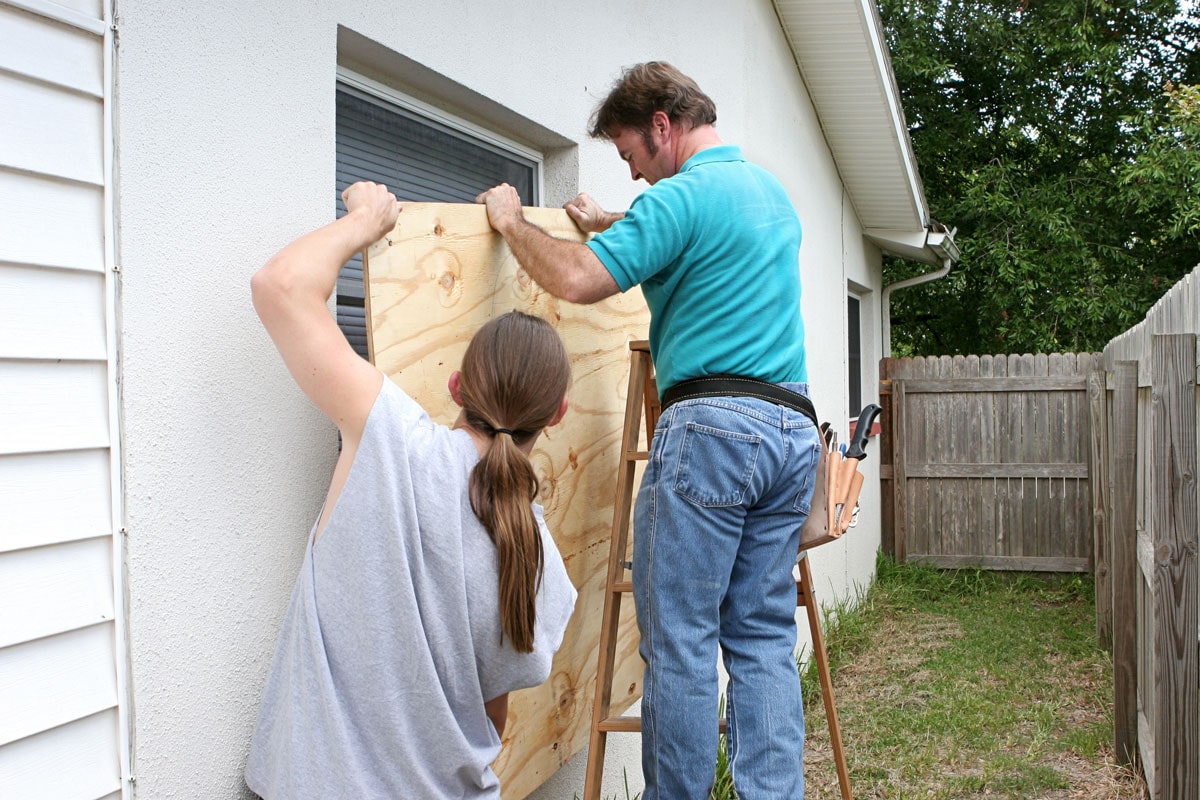
In preparing your home for a hurricane, you’ll want to begin by:
Once a hurricane is approaching:

While much of the focus on hurricane preparedness centers on protecting your home, it's equally important to prepare your car. Your vehicle will be essential if you need to run last-minute errands or evacuate as a storm approaches.
Before driving:
On the road:
Prepare your car for an approaching storm so that you have reliable transportation if you need to evacuate. Follow these tips from AAA.
Read More
Pets should be part of your hurricane plan, too. Before a storm, make sure each pet has current ID tags or microchip information, pack food and water, gather medications and vaccination records in a waterproof container, and identify pet-friendly hotels, shelters or family members outside the evacuation area. Keep leashes, carriers and comfort items with the rest of your emergency supplies so you can leave quickly if officials issue an evacuation order.
Don’t forget your pets when planning for hurricane season. Get our tips and suggestions to prepared.
Get More Pet TipsPreparing for a hurricane before a storm is even in the forecast can help protect your home, vehicle, pets and loved ones when severe weather approaches. By making a family emergency plan, building a supply kit, securing your property and staying informed through official alerts, you can make faster, safer decisions if conditions change or an evacuation becomes necessary
weather preparedness
Your vehicle may be essential before, during or after a storm. Get the safety essentials to keep in your car so you’re ready for severe weather, power outages or evacuation.
A: The best time to prepare is before hurricane season begins, but you should review supplies and plans any time a storm could affect your area. Early preparation helps you avoid crowded stores, limited supplies and last-minute decisions.
A: Include water, non-perishable food, medications, a first aid kit, flashlights, batteries, a battery-powered or hand-crank radio, chargers, cash, hygiene items, copies of important documents and pet supplies if needed.
A: Store at least one gallon of water per person per day for several days, with extra water for hot climates, children, people with medical needs and pets.
A: Review your evacuation plan, secure outdoor items, protect windows and doors, charge devices, fuel vehicles, gather documents, fill water containers and monitor official alerts.
A: Bring pets with you if you evacuate. Plan ahead by finding pet-friendly shelters or lodging, packing food and medications and keeping carriers, leashes and vaccination records ready.
We have several FREE guides that you can access for hurricanes, floods and tornadoes, here are the links:
This information is being provided for general informational purposes only. The Auto Club Group does not assume any liability in connection with providing this information.


