
To ensure you receive the best service possible,
please enter your zip code below:





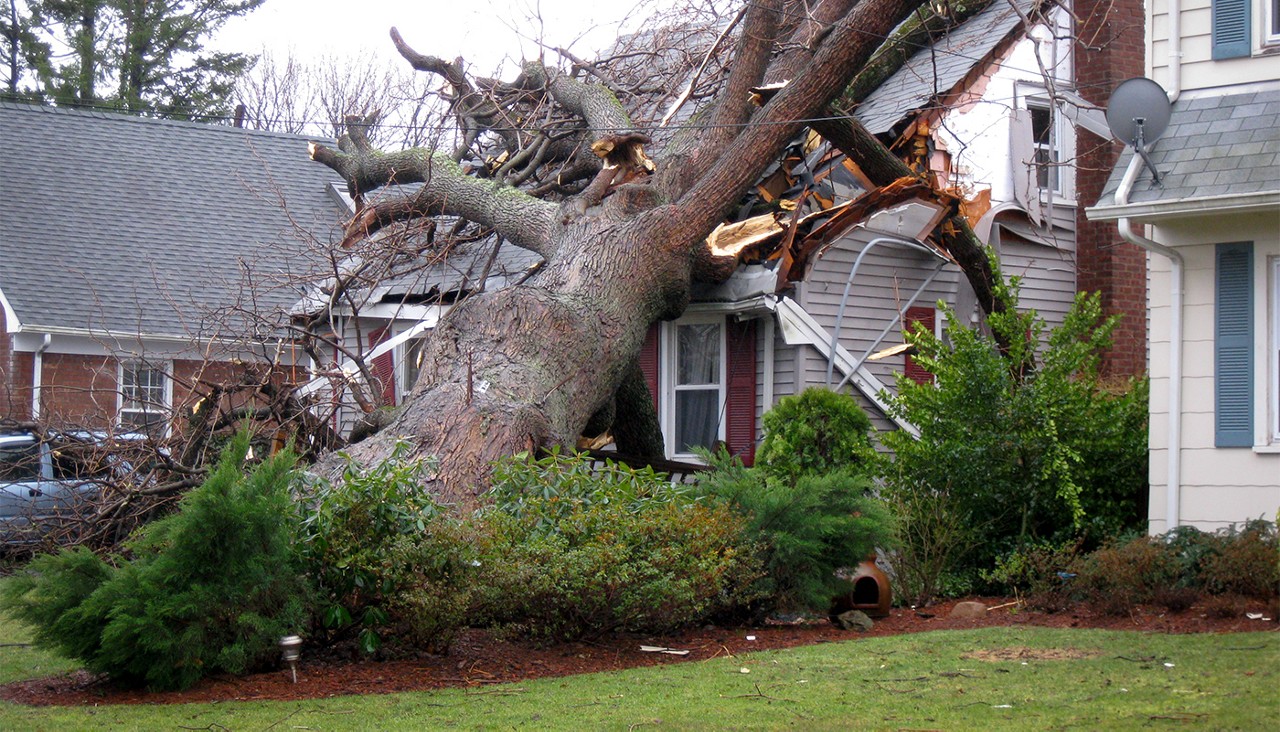
Quick answer: Homeowners insurance may cover damage when a healthy tree falls because of a covered event and strikes your home or another insured structure. Tree removal may also be covered in limited situations, such as when the tree damages a covered structure or blocks an insured driveway. If the tree was dead, diseased or neglected, coverage and liability can be more complicated. Your deductible, limits and exclusions apply.
Understanding how your homeowners insurance works and what it covers is a good place to start when understanding tree damage. Typically, home insurance covers damage if a healthy tree falls due to a covered peril. With tree damage, the covered peril most likely is wind or lightning.
Homeowners insurance typically will also cover damage to covered structures from the fallen tree. Structures like your home, a shed, garage, deck or fence, for example.
Find out what to do if your fence is damaged by the effects of wind.
Read MoreHere’s a quick chart on what may be covered by insurance and what to know.
| Scenario | What to Know |
|---|---|
| Healthy tree damages your home or insured structure after wind or lightning | Homeowners coverage may help pay for repairs, subject to policy terms, limits and deductible. |
| Neighbor’s healthy tree damages your insured property | You generally start with your own insurer; it may seek recovery if another party was negligent. |
| Tree damages your vehicle | Comprehensive auto coverage typically covers the damage, not homeowners insurance. |
| Tree falls in the yard without damaging covered property | Removal is commonly the homeowner’s responsibility unless a policy exception applies. |
| Tree blocks an insured driveway or accessibility ramp | Some policies may provide limited removal coverage. |
| Dead, diseased or neglected tree causes damage | Maintenance-related losses may be excluded, and negligence could affect responsibility. |

before the next storm
A fallen tree can damage more than your property—it can expose gaps in home, liability and auto coverage. Schedule a AAA Triple Check® policy review or connect with a local AAA Insurance agent to understand how your policies may respond.
It’s important to remember that your policy’s deductible applies before the insurer pays a covered claim. For example, suppose strong winds cause a tree to fall onto your roof, resulting in $10,000 in covered damage. If the insurer approves the full $10,000 claim and your policy has a $1,000 deductible, you would pay the first $1,000 and the insurer would pay the remaining $9,000, subject to the policy’s terms and limits.
Now that we understand how insurance works if a covered peril (e.g., wind, lightning, etc.) knocks a tree down and damages property, what happens if the tree falls due to other factors?
If a tree is dead, diseased or has been neglected, the homeowner is likely to be considered the negligent party, because as the owner, you failed to fix or remove the tree before it fell.
Here are a few examples of when you may be held liable:
Keep arborist reports, maintenance records, photos, written notices and receipts. These records can help document the tree’s condition and the steps you took to reduce risk.
The policy covering the damaged property is typically the place to begin. If a healthy tree falls unexpectedly on your house during a storm, contact your homeowners insurer. If it damages your vehicle, contact your auto insurer if you carry comprehensive coverage.

Being proactive with tree maintenance can save you money in the long run because you can identify and solve little issues before they become a bigger problems. To that end, have a professional arborist inspect your trees and keep them trimmed and in good health. Trees should be inspected for dead wood, cracks in branches or the trunk, decay, and root issues.
Tree branches should not be near or tangled in electrical wiring. Be sure to have a professional clear limbs in contact with power lines and electrical posts.
Take immediate action if the tree is a clear danger to a neighbor’s property—particularly if your neighbor has documentation, such as a written request for you to prune or remove it.
Review your home and auto insurance policies with your agent. It’s important to know what situations your insurance covers, how much coverage is provided and what your deductible would be.
Your home is one of your most valuable assets, checking your insurance coverage periodically is a good way to stay on top of the insurance you’ll need if something happens like a tree falling.
before the next storm
A fallen tree can damage more than your property—it can expose gaps in home, liability and auto coverage. Schedule a AAA Triple Check® policy review or connect with a local AAA Insurance agent to understand how your policies may respond.
It may, when a healthy tree falls because of a covered event and damages the insured home or another covered structure. The deductible, limits and exclusions apply.
Your neighbor would generally contact the insurer covering the damaged property. If evidence shows you knew the tree was hazardous and did not act, a liability claim may follow.
It may provide limited removal coverage when the tree damages covered property or blocks insured access. A tree that falls in the yard without causing covered damage is usually the homeowner’s responsibility.
Damage connected to neglect or poor maintenance may not be covered. Documentation from arborists and maintenance providers can help establish the tree’s condition and your actions.
Comprehensive auto coverage may help pay for damage after the applicable deductible. Homeowners insurance generally does not cover the vehicle itself.
Yes, if a covered claim is approved, the applicable deductible generally applies before the insurer pays.
Usually not. Routine trimming and removal of hazardous trees are generally considered maintenance.
This information is being provided for general informational purposes only. The Auto Club Group does not assume any liability in connection with providing this information.
Note: AAA Triple Check® is not available in Colorado.


