To ensure you receive the best service possible,
please enter your zip code below:





running smoothly
AAA Members receive a free vehicle maintenance inspection upon request with any paid service at a nearby AAA-owned Car Care Center or AAA Approved Auto Repair facility, a 36-month/36,000-mile guarantee on repairs at AAA-owned Car Care locations, and a 24-month/24,000-mile warranty at AAA Approved Auto Repair facilities. Members also receive a 10% discount on repair labor (save up to $75).
Every vehicle, regardless of brand or model, will eventually require some form of maintenance or repair. But fear not, you don’t need to be an automobile aficionado to discern what your auto repair technician is recommending. Here’s a deeper dive into some of the more common vehicle repair services you might encounter.

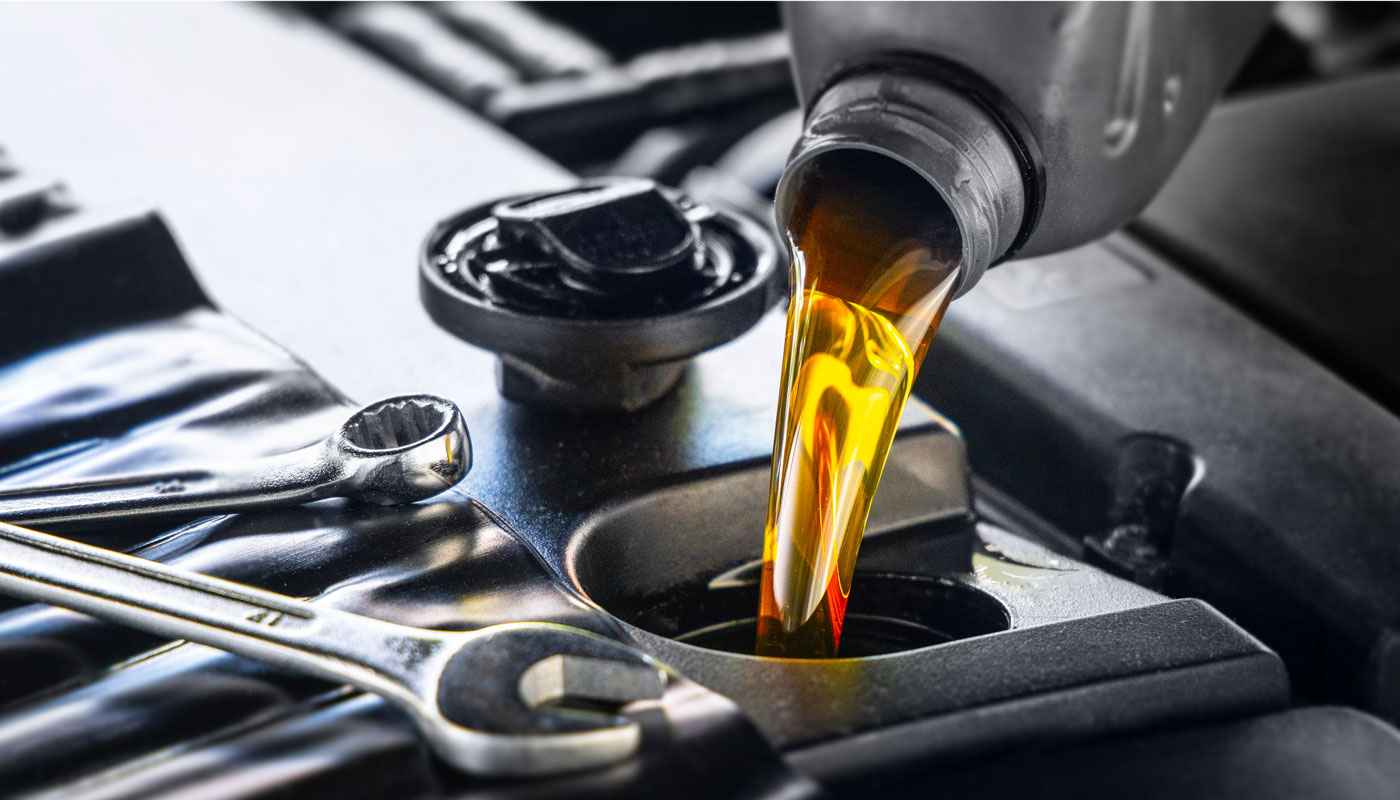
Motor oil is the lifeblood of your vehicle, ensuring smooth operation by lubricating, protecting internal parts, preventing deposit accumulation and capturing engine contaminants. Periodic replacement is crucial as the oil gradually deteriorates and collects dirt. This replacement involves draining the old oil, swapping out the oil filter that traps debris, and refilling with fresh oil.
These systems are tasked with curbing engine byproducts, including harmful pollutants, thereby preserving air quality and safeguarding the environment. If a critical component fails or your vehicle’s technology is outdated, it may necessitate emission control repairs or upgrades to adhere to the latest regulations.
If you’re a DIYer who only goes to a repair shop when necessary, take note: AAA Members save 10% off the retail price and earn NAPA Rewards at NAPA Auto Parts, both sitewide and in-store, on thousands of automotive products. Plus, save $22 off retail pricing on AAA vehicle batteries.
Save NowThese systems are responsible for safely and quietly diverting exhaust gases away from the engine and out the tailpipe. A defective muffler might seem insignificant, but it should be taken seriously, as it can lead to hazardous emissions, like carbon monoxide, seeping into the cabin.
The importance of tire maintenance cannot be overstated, as they are the only contact your vehicle has with the road. Common tire services include:

You certainly don’t want to ride in a vehicle with defective brakes. Regular brake maintenance may include:
Overheating is a leading cause of engine damage, underscoring the value of an efficient cooling system. Besides preventing overheating, coolant helps the vehicle achieve and maintain the optimal temperature for peak performance.
Typical cooling system problems include:

Your vehicle’s battery is responsible for providing the initial jolt to start the engine and to power its electrical components—such as the lights, security system and remote keyless entry—when the engine is turned off. It is recommended to have your battery checked regularly, especially before embarking on a long journey. Some common battery services include:
The suspension system makes a ride more comfortable by dampening the effects of bumps, enhancing steering response and promoting vehicle stability. Some indications you may require suspension repair include:

Car repairs and servicing are essential to keep your car running smoothly and safely. Regular maintenance can prevent major problems and potentially save you time and money in the long run. It is important to stay informed about your vehicle’s needs and consult with a qualified technician for any necessary repairs or services.
Remember, a well-maintained car is a reliable car, so don’t neglect the manufacturer’s recommended servicing schedule for your specific vehicle model. This schedule can be found in the owner’s manual or by consulting with a dealership or independent mechanic. Sticking to this schedule can help ensure your car receives the necessary maintenance and repairs at appropriate intervals.
In addition, keep records of all your vehicle servicing. This information can be useful when selling your vehicle, as it shows potential buyers that the car has been well-maintained. It can also come in handy for warranty claims or insurance purposes.
It’s important to address any warning signs or potential issues with your vehicle as soon as possible. Ignoring these could lead to more significant and costly problems down the road and could also compromise your safety while driving.

Lastly, don’t forget about regular exterior and interior cleaning and maintenance. This routine cleaning not only keeps your car looking good, but also helps prevent rust, corrosion and wear-and-tear on the vehicle’s surfaces.
Don’t overlook the importance of regular maintenance. By following these tips and staying proactive with your vehicle servicing, you can help ensure you have a safe, reliable and long-lasting car.
Not a AAA Member? Learn how your membership can help you in all stages of life, on and off the road.
Join Today!The most common services include oil changes, emissions control, exhaust and muffler repairs, tire maintenance, brake checks, cooling system repairs, suspension work and battery services. Familiarizing yourself with these can help you better understand your technician's recommendations.
Motor oil lubricates your engine's internal parts, prevents deposit buildup and captures harmful contaminants. Over time, it deteriorates and collects dirt, so regular replacement keeps your engine running smoothly and efficiently.
For tires, look out for uneven wear, visible damage or low tread depth. For brakes, warning signs include squealing or grinding noises, a spongy brake pedal or longer stopping distances. If you notice any of these, visit a technician promptly.
Overheating is one of the leading causes of engine damage. Common cooling system issues include water pump failure, radiator leakage, thermostat problems and hose damage. Regular coolant changes help prevent these problems and keep your engine at peak performance.
Suspension issues often show up as excessive bouncing, uneven tire wear or difficulty steering. Battery problems typically present as slow engine starts, dimming lights or electrical failures. Catching these signs early can prevent more costly repairs later.
Follow the manufacturer's recommended servicing schedule, address warning signs quickly and keep records of all maintenance. Regular exterior and interior cleaning also helps prevent rust and corrosion, protecting your vehicle's value over time.
running smoothly
AAA Members receive a free vehicle maintenance inspection upon request with any paid service at a nearby AAA-owned Car Care Center or AAA Approved Auto Repair facility, a 36-month/36,000-mile guarantee on repairs at AAA-owned Car Care locations, and a 24-month/24,000-mile warranty at AAA Approved Auto Repair facilities. Members also receive a 10% discount on repair labor (save up to $75).